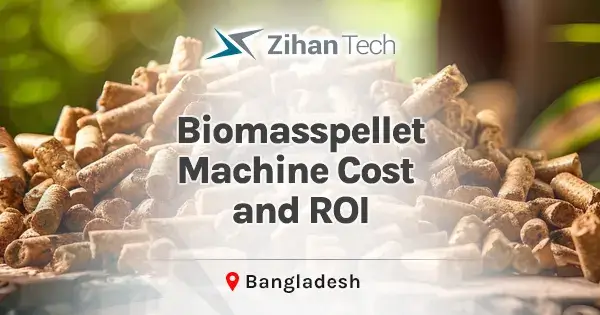
Industrial biomass fuel in Bangladesh: A growing alternative to conventional fuels
Bangladesh's industrial sector is facing a new reality. Rising energy costs, uncertainty around conventional
fuel supplies, and increasing environmental expectations are forcing businesses to rethink how they power
their operations. For decades, industries relied heavily on natural gas, coal, and other conventional fuels.
Nowadays, many factory owners and industrial decision-makers are actively exploring alternative energy
sources that offer greater cost control and long-term sustainability.
One solution gaining significant attention is industrial biomass fuel, particularly
biomass pellets. Produced from agricultural and wood-based waste materials, biomass pellets are emerging as a practical
fuel option for industrial boilers, steam generation, and process heating applications.
As industries continue looking for reliable fuel alternatives, biomass fuel is no longer viewed as a niche
option. It is becoming a serious part of Bangladesh's industrial energy conversation. Discuss Your Fuel
Requirements to explore whether biomass fuel is suitable for your industrial operation.
Industrial biomass fuel refers to renewable fuel produced from organic materials such as agricultural
residues, wood waste, and other biodegradable biomass resources. Among the various forms of biomass fuel,
biomass pellets have become one of the most preferred options for industrial use due to their consistent
size, high energy density, and ease of handling.
Unlike loose agricultural waste, biomass pellets are manufactured through a controlled process where raw
materials are compressed into dense cylindrical pellets. This results in a cleaner, more efficient, and more
predictable fuel source. In Bangladesh, biomass pellets are increasingly being used as fuel for:
Industrial boilers
Textile processing facilities
Food manufacturing plants
Pharmaceutical industries
Agro-processing operations
Commercial heating systems
The combination of fuel efficiency and renewable sourcing makes biomass pellets attractive for industries
seeking both economic and environmental benefits.
Why is industrial Biomass fuel gaining attention in Bangladesh?
Many businesses no longer want to depend entirely on a single fuel source. Diversification helps reduce
operational risk and improve energy security. Here are some market factors that are driving industrial
interest in biomass fuel.
Limited commercial gas availability:
Many industrial projects face challenges in securing new gas connections. As a result, businesses are
increasingly evaluating alternative fuel options that can support long-term operational needs.
Rising fuel costs:
The cost of LPG, diesel, and imported fuels has fluctuated significantly in recent years. Such volatility
makes long-term budgeting difficult for industrial operators.
Sustainability requirements:
Global buyers, particularly in the textile and manufacturing sectors, are placing greater emphasis on
environmental responsibility and carbon reduction. This has encouraged factories to adopt cleaner fuel
alternatives.
Renewable energy transition:
Bangladesh continues to explore pathways toward greater renewable energy adoption. Biomass fuel aligns
well with these broader sustainability objectives because it utilizes locally available renewable
resources.
Why biomass pellets are becoming the preferred industrial fuel
Not all biomass fuels offer the same performance. Biomass pellets have become particularly popular because
they solve many of the challenges associated with traditional biomass materials. Some of the key advantages
include:
Consistent fuel quality: Biomass pellets are manufactured to standardized dimensions and density
levels, resulting in more predictable combustion performance.
Easy storage and transportation:Compared to loose agricultural waste, pellets require less storage
space and are easier to transport.
Cleaner handling: Pellets generate less dust and are easier to handle in industrial fuel-handling
systems.
Reliable heat output: For industrial boilers, maintaining consistent heat output is critical.
Biomass pellets provide more stable energy performance than many raw biomass materials.
Environmental feasibility: Biomass pellets are a near carbon-neutral energy source because their
combustion emissions match the carbon absorbed during plant growth.
Industries that commonly use biomass fuel
The adoption of biomass fuel is expanding across multiple sectors in Bangladesh.
Industrial boiler operations: Any industry that depends on steam generation can potentially benefit
from biomass pellet fuel when the system is properly designed and optimized.
Textile and dyeing Industries: Textile factories require significant steam generation for
production processes. Biomass pellets are increasingly being evaluated as a cost-effective fuel
alternative.
Food processing plants: Many food processing operations rely on boilers for heating, sterilization,
and production activities.
Pharmaceutical manufacturing: Certain pharmaceutical facilities use biomass-fueled boilers in their
steam generation systems.
Agro-processing industries: Agricultural processing businesses often have direct access to biomass
resources, making pellet fuel particularly attractive.
Biomass pellets vs Conventional industrial fuels
Selecting the right industrial fuel involves evaluating cost, availability, environmental impact, and
operational requirements. The following comparison provides a practical overview:
Factor
Biomass Pellets
Natural Gas
LPG
Coal
Fuel source
Renewable
Fossil Fuel
Fossil Fuel
Fossil Fuel
Availability
Increasing
Limited Expansion
Available
Available
Price stability
Moderate
Uncertain
Volatile
Volatile
Environmental impact
Lower
Moderate
Moderate
High
Carbon emissions
Lower
Moderate
Moderate
Higher
Storage requirement
Moderate
Minimal
Moderate
High
Boiler compatibility
High
High
High
High
Sustainability value
High
Low
Low
Low
While every industry has unique operational requirements, biomass pellets offer a balanced combination of
fuel availability, environmental performance, and long-term sustainability.
Industrial fuel cost comparison in Bangladesh
Fuel cost remains one of the most important considerations for industrial operators. Although prices
fluctuate over time, the following table provides a general comparison based on industrial market
conditions.
Approximate cost per ton comparison:
Fuel type
Approximate cost per ton (BDT)
Biomass Pellets
12,000 – 18,000
Coal
18,000 – 30,000
LPG (Equivalent Basis)
70,000 – 100,000+
Natural Gas (Equivalent Basis)
Variable depending on supply & tariff
Note: These figures are indicative and may vary depending on the supplier, location, and market
conditions.
Key advantages of biomass fuel for industrial operations
For many industries, biomass fuel offers benefits that extend beyond simple fuel substitution.
Reduced dependence on imported fuels: Locally sourced biomass materials help reduce reliance on
international fuel markets.
Better cost predictability: Stable fuel sourcing often translates into more predictable operating
costs.
Utilization of agricultural resources: Agricultural waste materials that might otherwise be
discarded can be converted into valuable energy resources.
Improved sustainability profile: Many international buyers increasingly assess environmental
performance within their supply chains. Biomass fuel can support sustainability objectives and reporting
requirements.
Long-term energy strategy: Biomass fuel can become part of a broader industrial energy
diversification strategy that improves resilience against future fuel market uncertainties.
Challenges industries should consider
Despite its advantages, biomass fuel is not a one-size-fits-all solution. Industries should evaluate several
factors before making the transition.
Fuel storage requirements: Proper storage facilities are necessary to maintain fuel quality.
Reliable supply chain: Consistent access to quality biomass pellets is essential for uninterrupted
operations.
Boiler optimization: Some facilities may require adjustments or upgrades to maximize combustion
efficiency.
Fuel supplier selection: Working with experienced fuel producers and technology providers helps
ensure long-term performance and reliability.
The future of industrial biomass fuel in Bangladesh
The long-term outlook for biomass fuel in Bangladesh remains positive. Several trends support continued
growth:
Expanding industrial energy demand
Growing interest in renewable fuel solutions
Increased sustainability requirements from export markets
Availability of agricultural waste resources
Continued focus on fuel diversification
As industries seek practical alternatives to conventional fuels, biomass pellets are expected to play an
increasingly important role in the country's industrial energy mix. Businesses that understand and adopt
these trends early may gain operational and strategic advantages over time.
Why choose Zihan Tech for Biomass fuel solutions
The success of any biomass fuel initiative depends heavily on production quality, plant design, and
machinery performance. This is where Zihan Tech supports entrepreneurs and industrial investors. As a
leading
Biomass Pellet Machine supplier and complete
biomass production solution provider, Zihan Tech helps businesses establish efficient and
scalable pellet production facilities. Our solutions include:
Biomass pellet machine supply
Complete production line setup
Plant installation support
Capacity planning
Production optimization guidance
After-sales technical support
Technical consultation
Selecting the right technology partner can significantly improve operational success and long-term
profitability in the Biomass Pellet Business. Whether you are evaluating fuel production opportunities or
planning a new biomass pellet plant, our team can help assess your project requirements. Discuss your fuel requirements
+8801841119091 with our specialists to explore suitable biomass
fuel solutions.
Industrial biomass fuel: A strategic energy shift for Bangladesh
Industrial energy decisions are becoming increasingly important in Bangladesh's evolving industrial
landscape. As fuel costs continue to fluctuate and sustainability expectations grow, biomass pellets offer
industries a practical path toward greater fuel diversification and operational stability.
For factory owners and industrial decision-makers, biomass fuel is no longer simply an alternative. It is
becoming an increasingly strategic component of long-term energy planning.
If you are evaluating biomass fuel opportunities, production facilities, or industrial fuel alternatives,
now is an ideal time to explore the potential. Get a Quotation and discover how biomass fuel solutions can
support your industrial operations.
Industrial biomass fuel is still a relatively new topic for many businesses. Below are answers to some
common questions asked by factory owners, investors, and industrial decision-makers.
Industrial biomass fuel is a renewable fuel produced from organic materials such as agricultural
waste, wood residues, and biomass pellets. It is commonly used in boilers and industrial heating
systems to generate thermal energy.
Biomass pellets offer higher energy density, consistent quality, easier storage, and more predictable
combustion performance. These advantages make them more suitable for industrial applications.
In many industrial applications, biomass pellets can offer lower operating costs than LPG. The actual
savings depend on fuel prices, boiler efficiency, and consumption patterns.
In many cases, yes. Biomass pellets are increasingly being used as an alternative to coal in
industrial boilers because they provide cleaner combustion and lower emissions.
Textile factories, food processing plants, pharmaceutical manufacturers, agro-processing facilities,
and various steam-generating industries commonly use biomass pellets.
হ্যাঁ। শিল্প খাতে বিকল্প জ্বালানির ব্যবহার বাড়ার সঙ্গে সঙ্গে বায়োমাস পেলেটের চাহিদাও বৃদ্ধি পাচ্ছে।
বিশেষ করে বয়লার নির্ভর শিল্পগুলো এখন এই জ্বালানিকে গুরুত্বের সঙ্গে বিবেচনা করছে।
অবশ্যই। সঠিক বয়লার ডিজাইন এবং অপারেশন পদ্ধতি অনুসরণ করলে বায়োমাস পেলেট শিল্প বয়লারের জন্য একটি
কার্যকর এবং নির্ভরযোগ্য জ্বালানি হিসেবে ব্যবহার করা যায়।
Planning a biomass pellet plant?
Zihan Tech provides expert support for biomass pellet plant planning.
Discover biomass pellet machine cost in Bangladesh, estimated ROI, and payback period. Find the right biomass pellet production solution with Zihan Tech.
Explore the advantages and disadvantages of biomass pellets for industries. Compare biomass pellets with conventional fuels and make informed energy decisions.



 +8801841119091